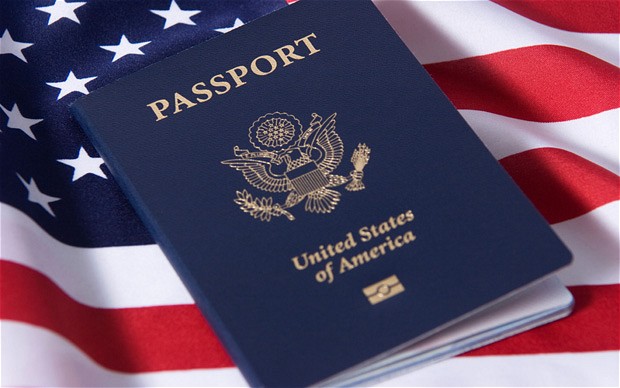
On the campaign trail in August 2016, Trump told a crowd during a campaign rally in Phoenix that he would direct law enforcement authorities to deport all convicted criminals illegally in the USA, a group he estimated to be about 2 million people. “We will begin moving them out day one,” he said. “Day one, my first hour, those people are gone.”
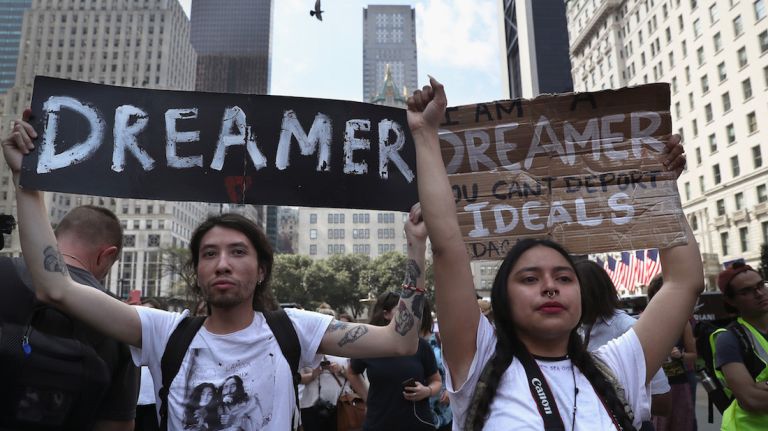
The BRIDGE Act, initially introduced in the Senate in 2016 was reintroduced to the new Congress, and to the House for the first time just eight days prior to President-elect Trump having a chance to revoke the executive order that granted deportation protection to DACA recipients.
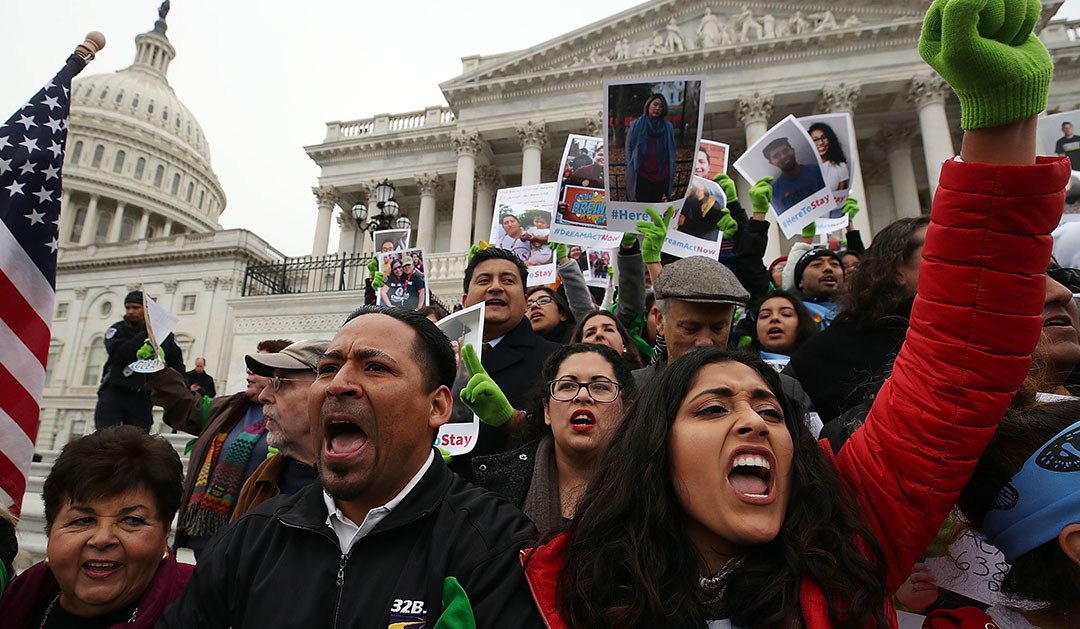
On December 9, 2016, Senator Grahams (Republican- South Carolina), Durbin (Democrat- Illinois), Murkowski (Republican- Arkansas) and Flake (Republican- Arizona) and Schumer (Democrat – New York) introduced the BRIDGE Act (Bar removal of Immigrants Who Dream and Grow the Economy Act), to provide temporary protection to those who qualified for Deferred Action for Childhood Arrivals (DACA) under President Obama’s Executive Action.

For those of us who practice in Immigration Court in Arizona, this is an especially important decision. Immigration Bonds in Arizona are exorbitantly high. The average bond amount for arriving aliens is from $15,000 to $25,000.

According to Aviva Shen, writing for ThinkProgress.org, if Trump’s plan to deport 2 to 3 million immigrants comes to pass, it will spell big profits for not only corporations such as GEO Group and CoreCivic, companies in charge of running immigration detention centers but also companies hired by Immigration and Customs Enforcement (ICE) for private charter flights to deport these people to their country of origin.
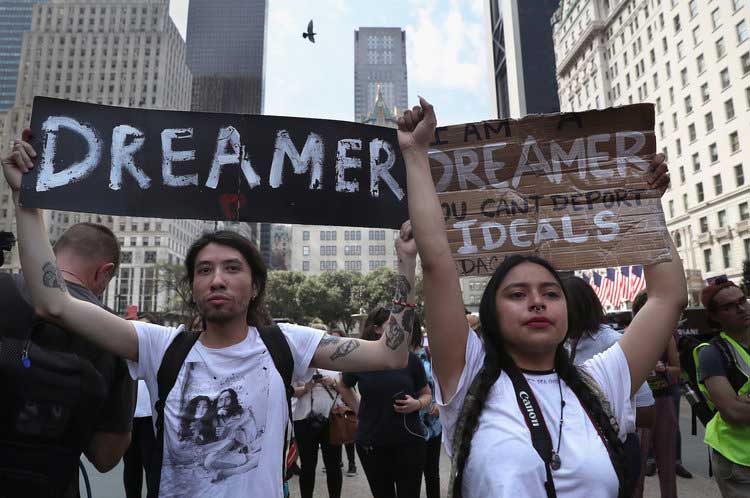
Republican Senators Lindsey Graham (South Carolina) and Jeff Flake (Arizona) began brainstorming and formulating plans with Democrats on how to protect the Dreamers, the DACA recipients who received protection from deportation under President Obama’s executive order in 2012.